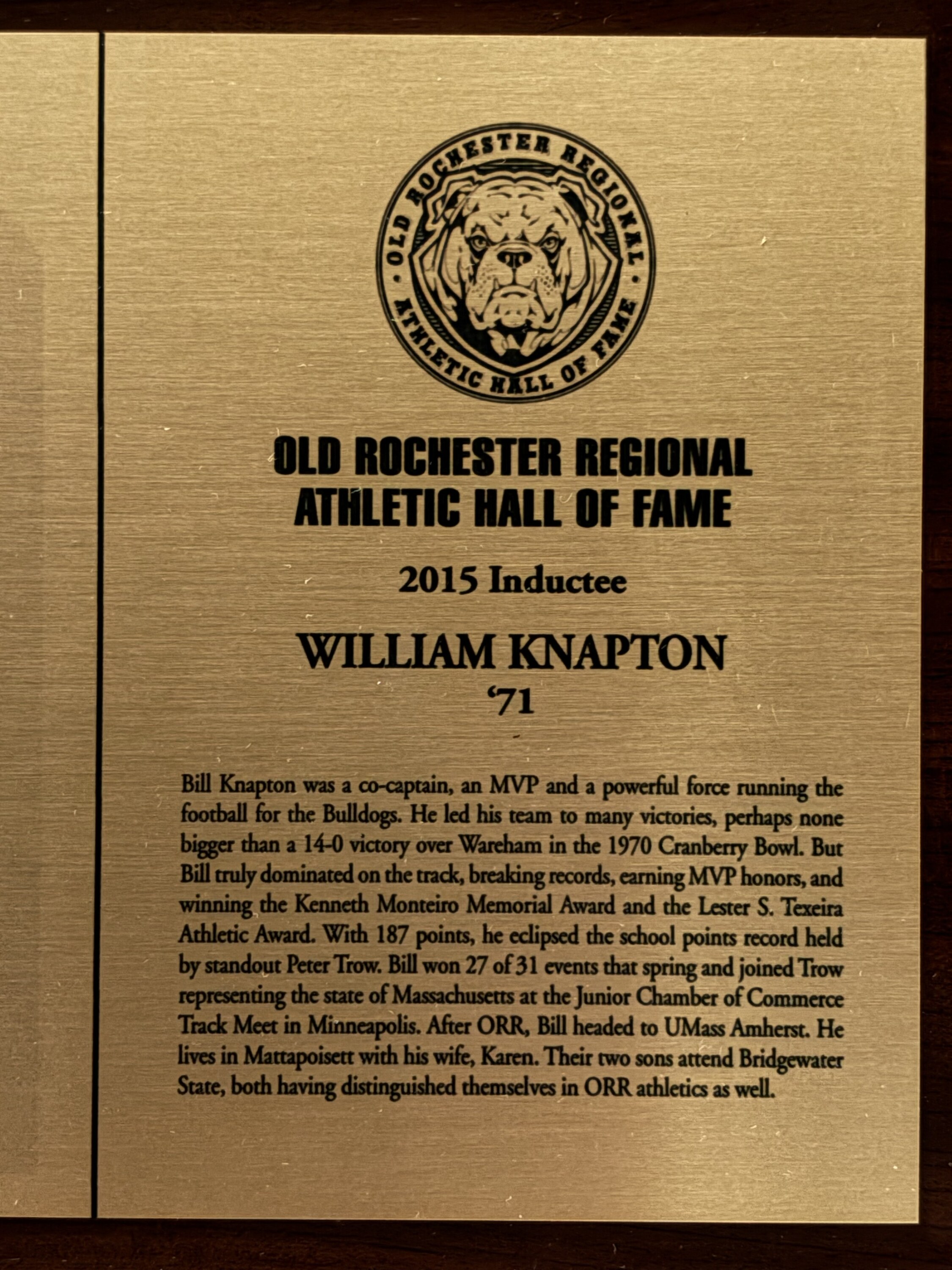
Bill Knapton was a co-captain, an MVP and a powerful force running the football for the Bulldogs. He led his team to many victories, perhaps none bigger than a 14-0 victory over Wareham in the 1970 Cranberry Bowl. But Bill truly dominated on the track, breaking records, earning MVP honors, and winning the Kenneth Monteiro Memorial Award and the Lester S. Texeira Athletic Award. With 187 points, he eclipsed the school points record held by standout Peter Trow. Bill won 27 of 31 events that spring and joined Trow representing the state of Massachusetts at the Junior Chamber of Commerce Track Meet in Minneapolis. After ORR, Bill headed to UMass Amherst. He lives in Mattapoisett with his wife, Karen. Their two sons attend Bridgewater State, both having distinguished themselves in ORR athletics as well.
THE COMPLETE STORY
ARCHIVAL MEDIA
Historical photographs, action images, team photographs and later-life images will be assembled here as verified source material becomes available.
INDUCTION CEREMONY
Vimeo labels this segment “Bill Knapton”; matched to ORRAHOF inductee William Knapton.
SOURCES & HISTORICAL NOTES
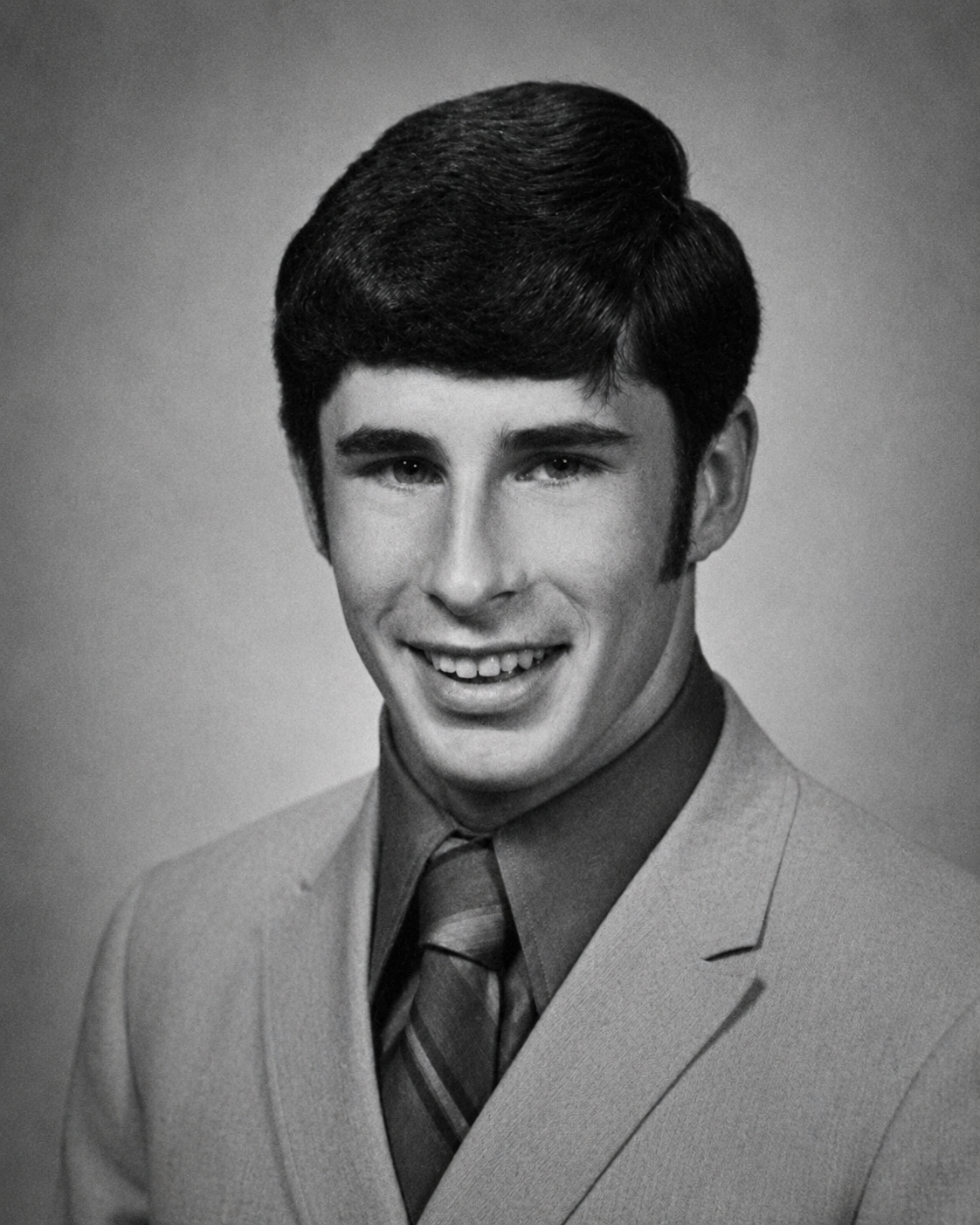
The approved Class of 1971 yearbook portrait was standardized to the Jefferson presentation standard, with the original historical source preserved.
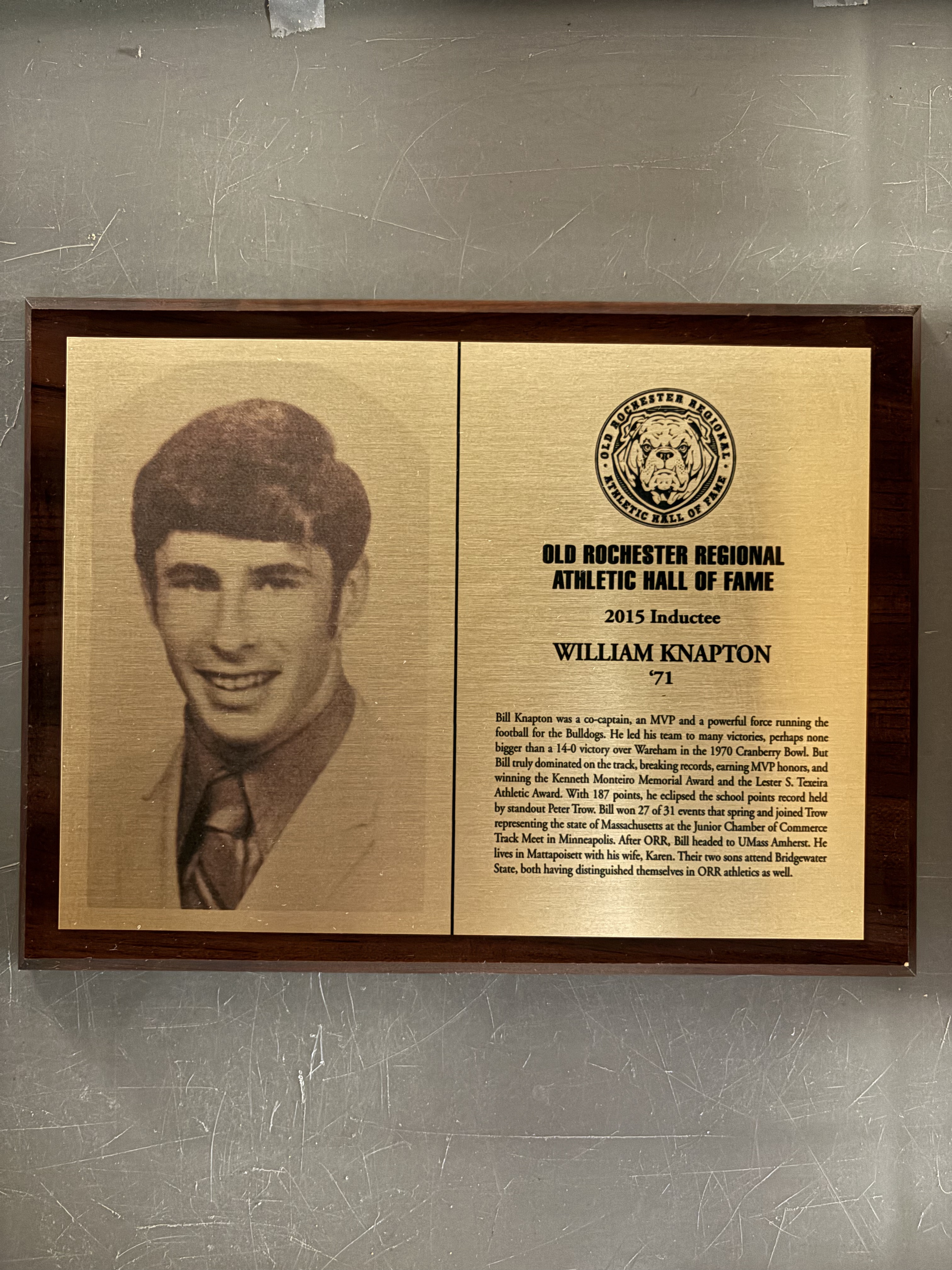
The Hall of Fame archive also preserves the complete 2015 display (IMG_1858.HEIC), pairing the historical photograph and induction plaque. That original display is included in the profile gallery.
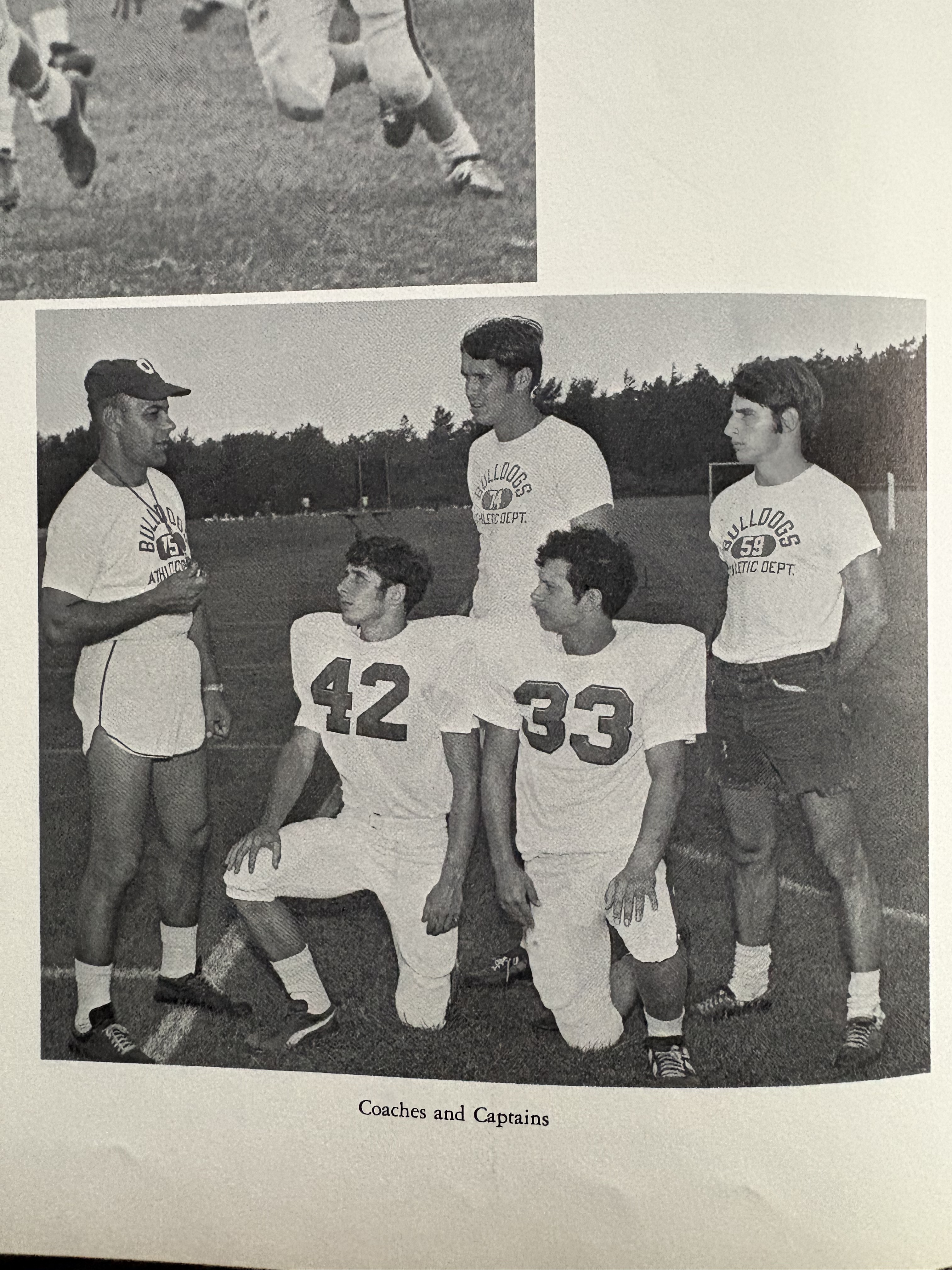
October 10, 2026: original yearbook material was reviewed and added to the gallery. Captions follow printed labels or describe the team/page without asserting uncertain individual identities. Original files remain in the Hall archive; publication copies use format conversion only.
October 10, 2026: plaque biography checked word for word against the original physical 2015 plaque photograph IMG_1859.HEIC. Printed wording and punctuation are preserved. Approved portrait and existing gallery retained; original files remain in the Hall archive.
The plaque’s family and residence descriptions are preserved as induction-era wording.