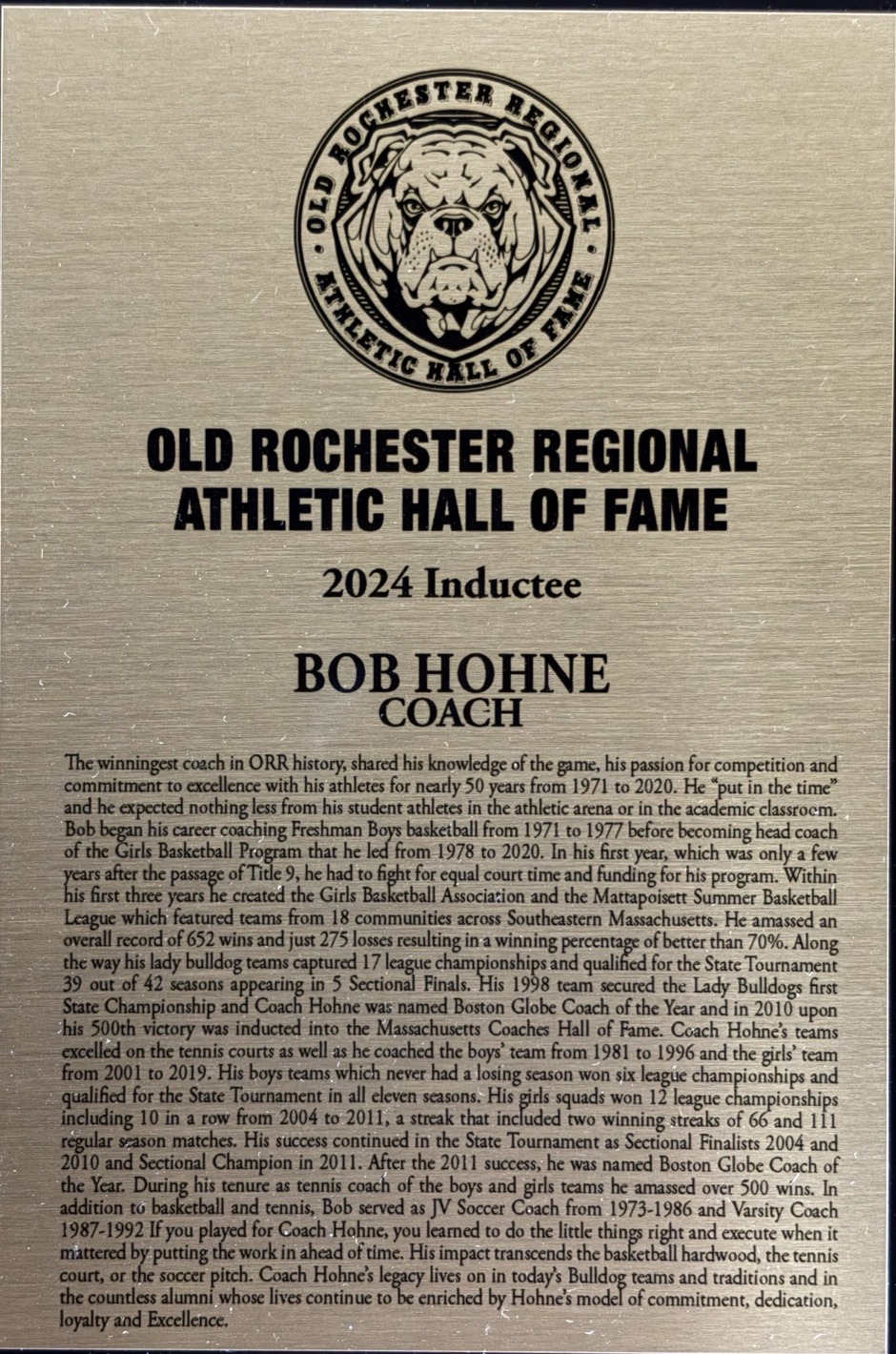
The winningest coach in ORR history, shared his knowledge of the game, his passion for competition and commitment to excellence with his athletes for nearly 50 years from 1971 to 2020. He “put in the time” and he expected nothing less from his student athletes in the athletic arena or in the academic classroom.
Bob began his career coaching Freshman Boys basketball from 1971 to 1977 before becoming head coach of the Girls Basketball Program that he led from 1978 to 2020. In his first year, which was only a few years after the passage of Title 9, he had to fight for equal court time and funding for his program. Within his first three years he created the Girls Basketball Association and the Mattapoisett Summer Basketball League which featured teams from 18 communities across Southeastern Massachusetts. He amassed an overall record of 652 wins and just 275 losses resulting in a winning percentage of better than 70%. Along the way his lady bulldog teams captured 17 league championships and qualified for the State Tournament 39 out of 42 seasons appearing in 5 Sectional Finals. His 1998 team secured the Lady Bulldogs first State Championship and Coach Hohne was named Boston Globe Coach of the Year and in 2010 upon his 500th victory was inducted into the Massachusetts Coaches Hall of Fame.
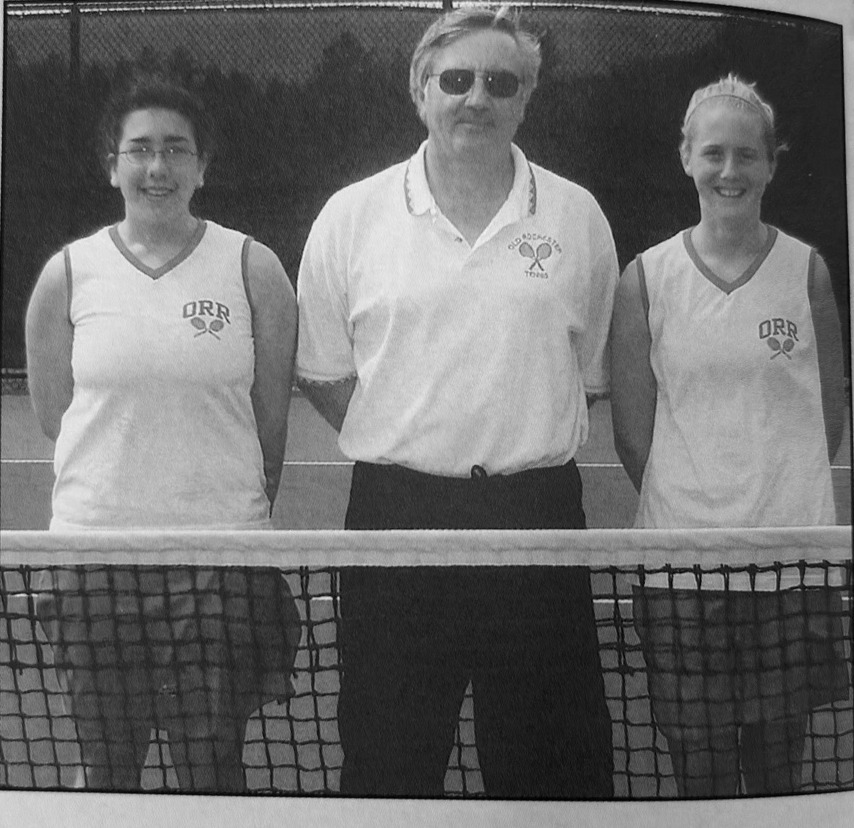
Coach Hohne’s teams excelled on the tennis courts as well as he coached the boys’ team from 1981 to 1996 and the girls’ team from 2001 to 2019. His boys teams which never had a losing season won six league championships and qualified for the State Tournament in all eleven seasons. His girls squads won 12 league championships including 10 in a row from 2004 to 2011, a streak that included two winning streaks of 66 and 111 regular season matches. His success continued in the State Tournament as Sectional Finalists 2004 and 2010 and Sectional Champion in 2011. After the 2011 success, he was named Boston Globe Coach of the Year. During his tenure as tennis coach of the boys and girls teams he amassed over 500 wins.
In addition to basketball and tennis, Bob served as JV Soccer Coach from 1973-1986 and Varsity Coach 1987-1992 If you played for Coach Hohne, you learned to do the little things right and execute when it mattered by putting the work in ahead of time. His impact transcends the basketball hardwood, the tennis court, or the soccer pitch. Coach Hohne’s legacy lives on in today’s Bulldog teams and traditions and in the countless alumni whose lives continue to be enriched by Hohne’s model of commitment, dedication, loyalty and Excellence.
THE COMPLETE STORY
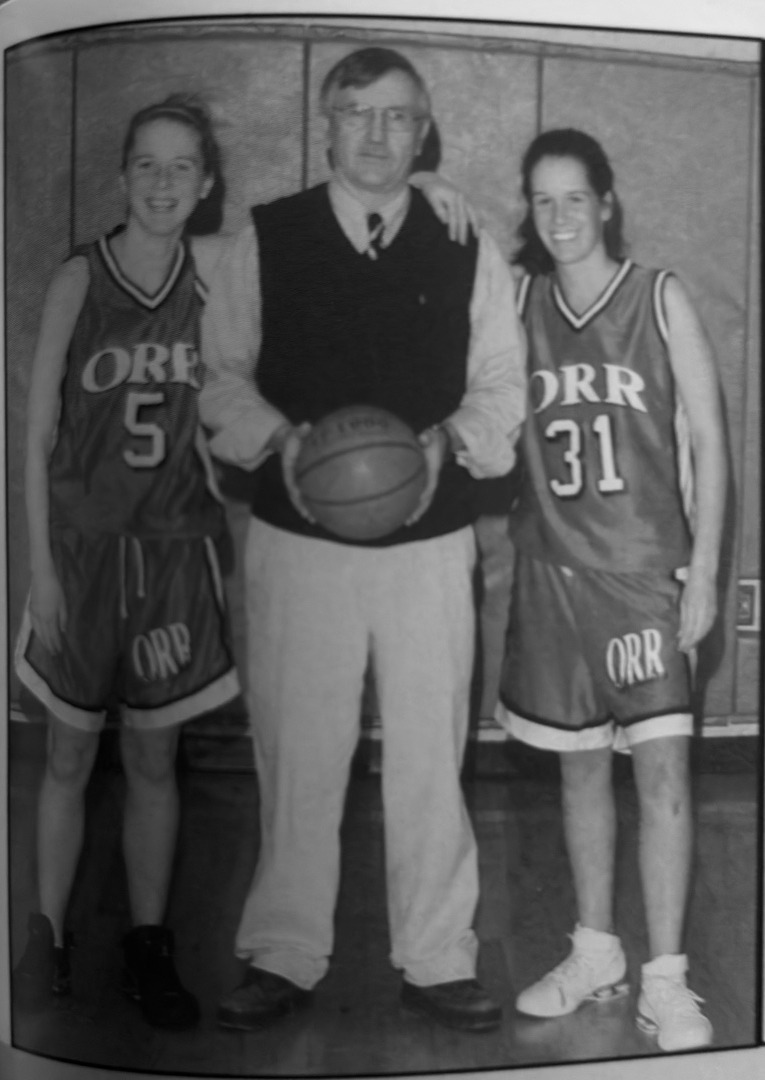
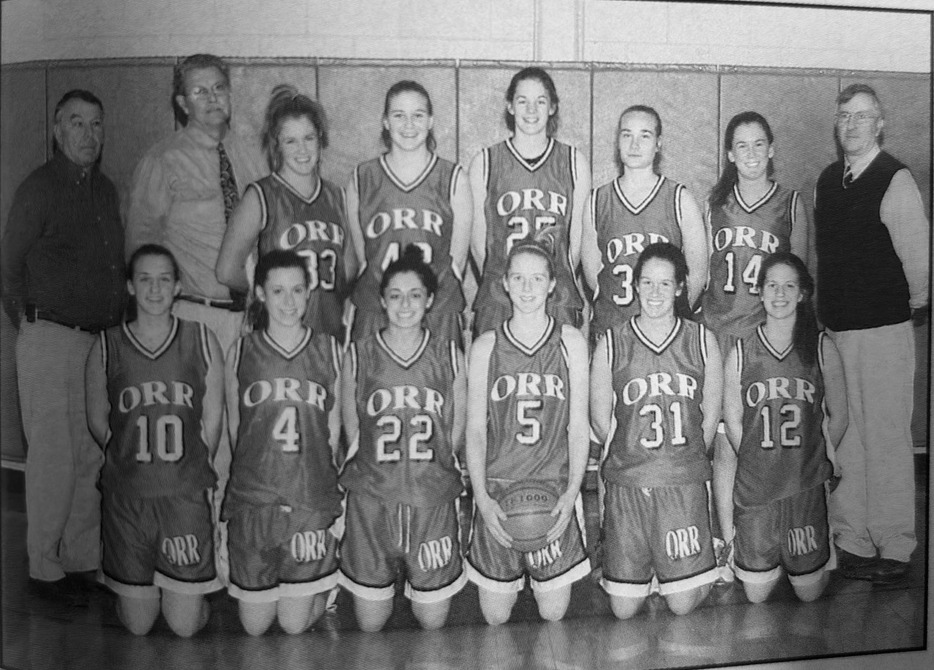
ARCHIVAL MEDIA
Historical photographs, action images, team photographs and later-life images will be assembled here as verified source material becomes available.
INDUCTION CEREMONY
Timestamp listed in the Vimeo description for the 2024 ORRAHOF Inductions Ceremony.
SOURCES & HISTORICAL NOTES
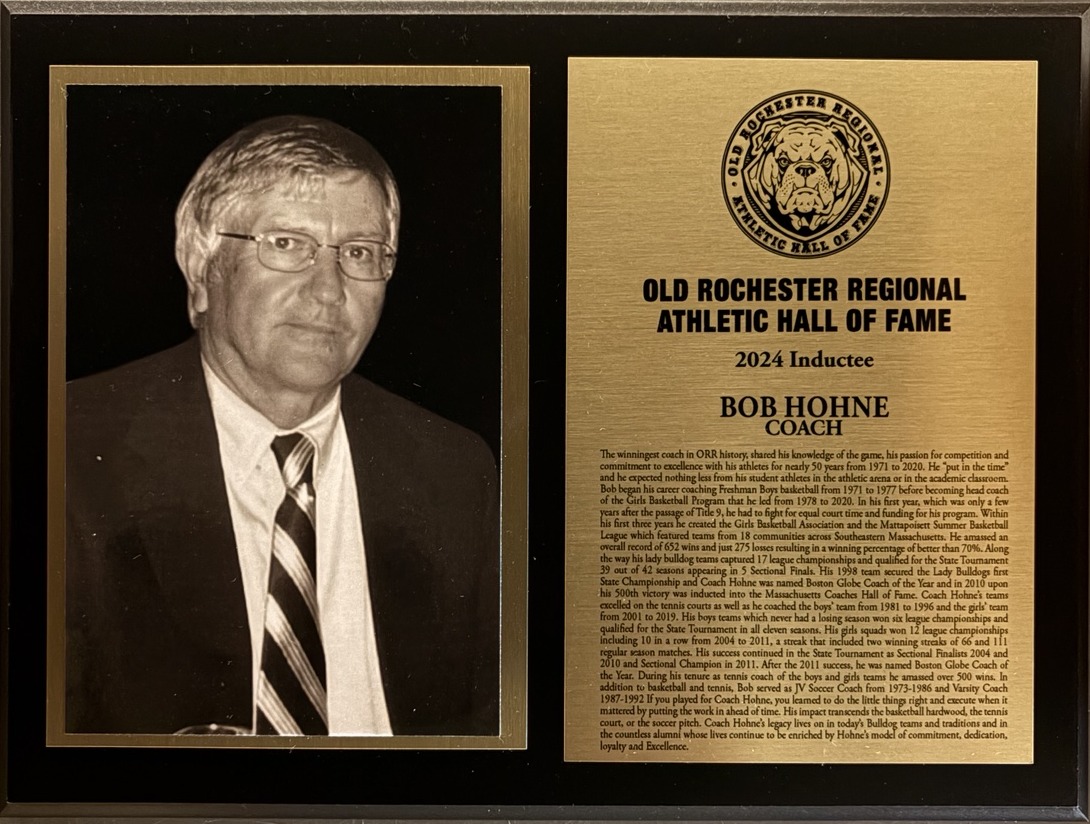
October 16, 2026: plaque biography reconciled directly against the existing photograph of the physical 2024 plaque. The inscription matches. Printed errors and induction-era claims remain part of the plaque record; this is not independent verification of every historical claim. No photographs were added or changed.
Verified against the original 2024 Hall of Fame manufacturer plaque artwork supplied by ORRAHOF.
Primary portrait restored from an original ORR yearbook staff photograph supplied September 19, 2026.
October 14, 2026: text-only editorial review against the existing Hall biography and source notes. Develops tennis, soccer and community-program service from plaque evidence; links the inducted basketball team and omits inconsistent streak arithmetic. This review does not certify an exact physical-plaque match or current record status.
Follow-up: The plaque describes ten consecutive girls’ tennis titles from 2004–2011, an eight-year range, and eleven boys’ tournament seasons within a longer coaching tenure. Season-by-season logs are needed before repeating those counts.